Introduction to Health Care
Health care is one of the most essential pillars of human civilization. It plays a critical role in improving quality of life, increasing life expectancy, preventing diseases, and promoting overall physical, mental, and social well-being. In today’s fast-paced and interconnected world, health care is no longer limited to hospitals and doctors; it encompasses a wide range of services, technologies, policies, and systems designed to maintain and improve human health.
The concept of health care has evolved significantly over time. From traditional medicine and home remedies to modern hospitals equipped with advanced technology, health care systems continue to adapt to meet the growing needs of populations. With rising health challenges such as chronic diseases, mental health issues, aging populations, and global pandemics, the importance of a strong and accessible health care system has never been greater.
This article explores the meaning, importance, types, challenges, and future of health care while focusing on why effective health care is vital for individuals and societies alike.

What Is Health Care?
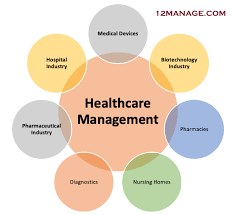
Health care refers to the organized provision of medical services aimed at maintaining, restoring, and improving health. These services are delivered by trained professionals such as doctors, nurses, pharmacists, therapists, and other health practitioners. Health care includes preventive care, diagnosis, treatment, rehabilitation, and palliative services.
Health care is not only about curing diseases; it also focuses on prevention and health promotion. Regular health checkups, vaccinations, healthy lifestyle counseling, and early disease detection are all part of a comprehensive health care system. A strong health care structure ensures that individuals can access timely and appropriate medical services when needed.
Importance of Health Care in Modern Society
1. Disease Prevention and Control
One of the most important roles of health care is disease prevention. Preventive health care includes vaccinations, screenings, and health education that help reduce the risk of illness. Early detection of diseases such as cancer, diabetes, and heart conditions significantly increases the chances of successful treatment.
Public health initiatives, such as immunization programs and awareness campaigns, have helped control infectious diseases and reduce mortality rates worldwide.
2. Improved Quality of Life
Health care services help individuals manage both acute and chronic conditions, enabling them to live healthier and more productive lives. Access to proper medical care reduces pain, discomfort, and disability, allowing people to maintain independence and well-being.
Mental health care, in particular, has gained recognition as a crucial component of overall health, improving emotional stability, productivity, and social relationships.

3. Economic Growth and Stability
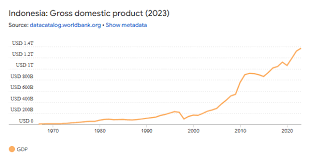
A healthy population contributes directly to economic growth. When people are healthy, they can work more efficiently, miss fewer workdays, and contribute positively to society. On the other hand, poor health care systems increase medical expenses, reduce productivity, and place a heavy burden on families and governments.
Investing in health care is not only a moral responsibility but also an economic necessity.
Types of Health Care Services
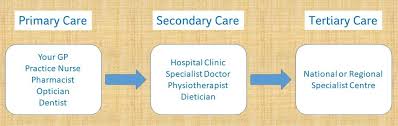
Primary Health Care
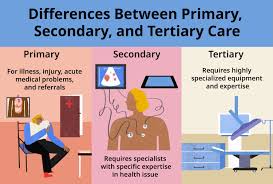
Primary health care is the first point of contact between individuals and the health care system. It includes general medical services such as routine checkups, treatment of common illnesses, vaccinations, and health education. Primary care providers play a vital role in early diagnosis and prevention.
Examples include family doctors, community clinics, and local health centers.
Secondary Health Care
Secondary health care involves specialized medical services provided by specialists after referral from primary care providers. This includes services such as cardiology, dermatology, orthopedic care, and diagnostic testing.
Secondary care often takes place in hospitals or specialized medical centers.
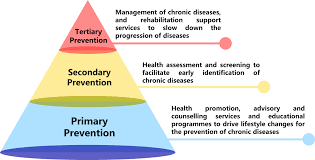
Tertiary Health Care
Tertiary health care provides advanced and highly specialized treatments, such as complex surgeries, cancer treatment, organ transplants, and intensive care. These services require advanced technology and highly trained professionals.
Tertiary care centers are usually large hospitals or specialized institutions.
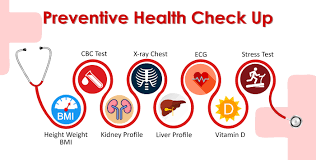
Preventive Health Care
Preventive health care focuses on preventing illness before it occurs. This includes vaccinations, regular screenings, lifestyle counseling, and health education programs. Preventive care is cost-effective and significantly reduces the burden of disease.
Health Care Systems Around the World
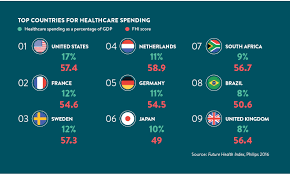
Health care systems vary widely across countries depending on economic conditions, government policies, and cultural factors. Some common models include:
Public Health Care System
In a public health care system, the government funds and manages health services, often providing free or low-cost care to citizens. Countries like the United Kingdom and Canada follow this model.
Private Health Care System
Private health care is funded through private insurance or out-of-pocket payments. This system often provides faster access and more choices but can be expensive and inaccessible for low-income populations.
Mixed Health Care System
Many countries use a mixed system combining public and private health care services. This approach aims to balance accessibility, quality, and affordability.
Challenges Facing Health Care Today
Rising Health Care Costs
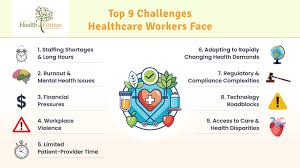
One of the biggest challenges in health care is the rising cost of medical services, medications, and technology. High costs can limit access to care and place financial strain on individuals and governments.
Unequal Access to Health Care
Access to quality health care remains unequal across regions and populations. Rural areas, low-income communities, and developing countries often lack adequate medical facilities and trained professionals.
Health care inequality leads to higher disease rates and lower life expectancy among disadvantaged groups.
Shortage of Health Care Professionals
Many countries face a shortage of doctors, nurses, and other health care workers. Burnout, long working hours, and insufficient training opportunities contribute to this issue.
Aging Population
As life expectancy increases, the number of elderly people is growing. Aging populations require more medical care, long-term treatment, and chronic disease management, putting additional pressure on health care systems.
Role of Technology in Health Care
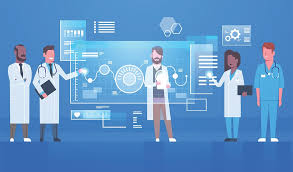
Technology has transformed health care in remarkable ways. Digital innovations are improving diagnosis, treatment, and patient care.
Telemedicine
Telemedicine allows patients to consult doctors remotely using video calls, mobile apps, and online platforms. This has improved access to care, especially in remote areas.
Electronic Health Records (EHR)
Electronic health records store patient information digitally, making it easier for doctors to access medical history, reduce errors, and improve treatment efficiency.
Effects of Eating Ice Cream on Health

- Ice creahttps://batonrougeclinic.com/news-education/is-it-okay-to-eat-ice-cream-every-day/m provides quick energy because it contains sugar and fat.
- It can improve mood by releasing “feel-good” hormones in the brain.
- Ice cream contains calcium, which is good for bones and teeth.
- Eating too much ice cream can lead to weight gain due to high calories.
- Excess sugar in ice cream may increase the risk of diabetes.
- High saturated fat can raise cholesterol and affect heart health.
- Cold ice cream may cause throat irritation or cold problems in some people.
- People with lactose intolerance may experience digestion issues.
Artificial Intelligence in Health Care
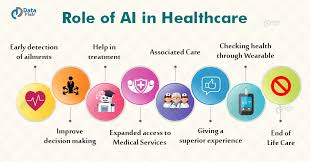
Artificial intelligence is being used for disease diagnosis, medical imaging, drug discovery, and personalized treatment plans. AI improves accuracy and speeds up medical decision-making.
Wearable Health Devices
Wearable devices such as smartwatches and fitness trackers help monitor heart rate, physical activity, sleep patterns, and other health indicators, promoting preventive care.

Mental Health Care: An Essential Component
Mental health care is an integral part of overall health care. Conditions such as depression, anxiety, stress, and substance abuse affect millions of people worldwide.
In recent years, awareness of mental health issues has increased, leading to improved access to counseling, therapy, and psychiatric services. Integrating mental health care into primary health care systems ensures early intervention and reduces stigma.
Preventive Health Care and Healthy Lifestyle
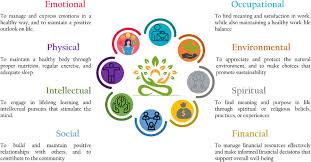
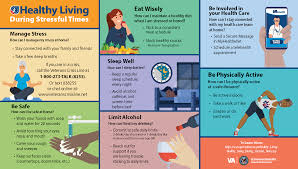
A strong focus on preventive health care can significantly reduce the burden of disease. Healthy lifestyle choices such as balanced nutrition, regular exercise, adequate sleep, and stress management play a vital role in maintaining good health.
Health education programs encourage individuals to take responsibility for their own well-being and make informed health decisions.
Health Care and Public Health
Public health focuses on protecting and improving the health of communities through policies, education, and research. Clean water, sanitation, food safety, and disease surveillance are essential public health measures.
Global health care cooperation is crucial in managing pandemics, controlling infectious diseases, and responding to health emergencies.

The Future of Health Care
The future of health care is expected to be more patient-centered, technology-driven, and preventive. Personalized medicine, digital health platforms, and data-driven decision-making will shape the next generation of health care systems.
Sustainability, affordability, and accessibility will remain key priorities as health care continues to evolve.

Conclusion
Health care is a fundamental human need and a cornerstone of a thriving society. It encompasses a wide range of services aimed at preventing disease, treating illness, and improving quality of life. Despite challenges such as rising costs, unequal access, and workforce shortages, health care systems continue to adapt through innovation and policy reform.
Investing in health care is an investment in human potential, economic stability, and social well-being. By strengthening health care systems, promoting preventive care, and embracing technology, societies can ensure healthier futures for generations to come.

SEO Keywords Used:
- health care
- health care system
- importance of health care
- types of health care
- preventive health care
- health care services
- modern health care
- future of health care