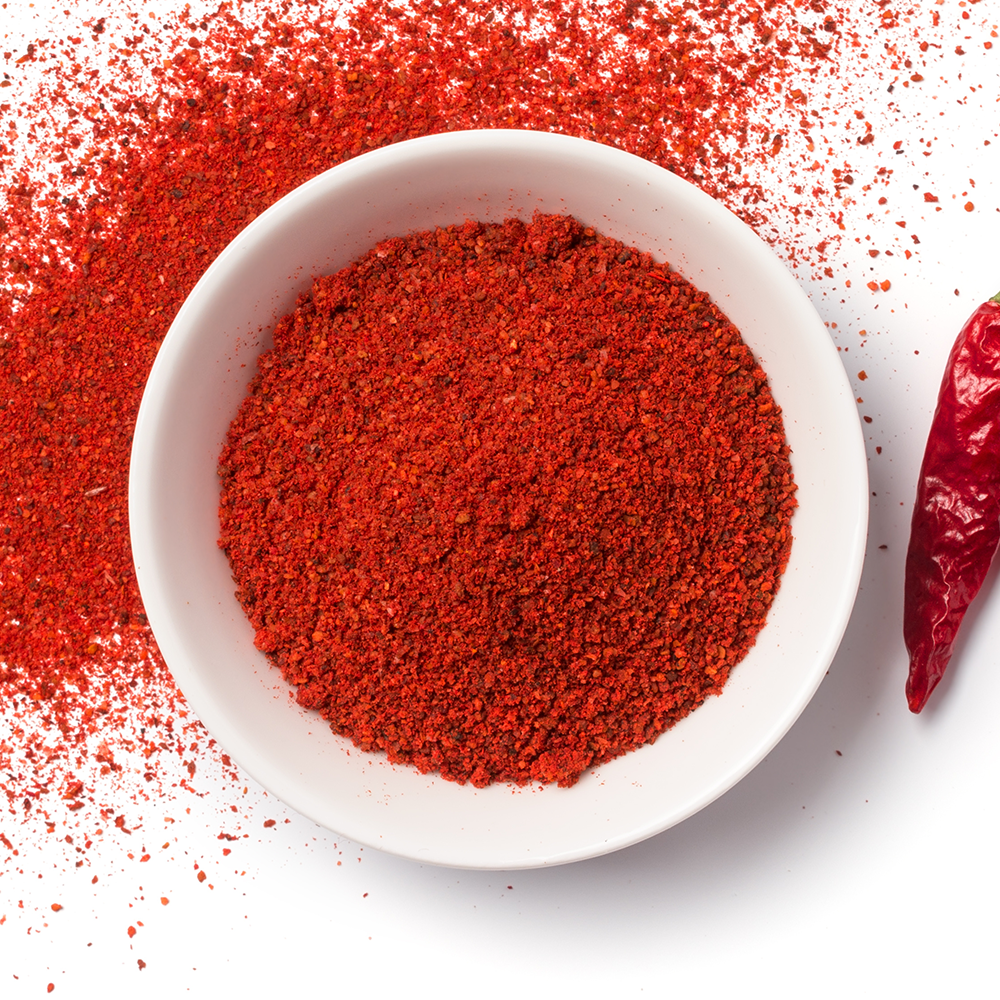
How to Master Cooking is Incomplete Without Chili Powder!
The culinary landscape of the global East and West is fundamentally built on the Master Cooking architecture of spices, but few individual components wield the transformative power of pure chili powder. Far from a crude instrument used merely to burn the tongue, pure chili powder is a multi-dimensional ingredient capable of altering color, texturing oils, adding earthy sweetness, and accelerating the depth of any dish it encounters. To step into the arena of culinary mastery without a comprehensive command of this crimson pillar is an exercise in futility.
For aspiring home cooks, professional chefs, and cultural epicures across Bangladesh, securing access to 100% unadulterated spice supplies within a definitive, manageable timeline is the very first step toward sensory excellence. If you are serious about changing the trajectory of your daily meals, a targeted 30-day journey to audit your kitchen pantry, source verified pure chili powder from modern e-commerce channels, and master the chemical laws of spice blooming is your clear path forward.
1. Why Cooking Mastery is Fundamentally Incomplete Without Chili Powder
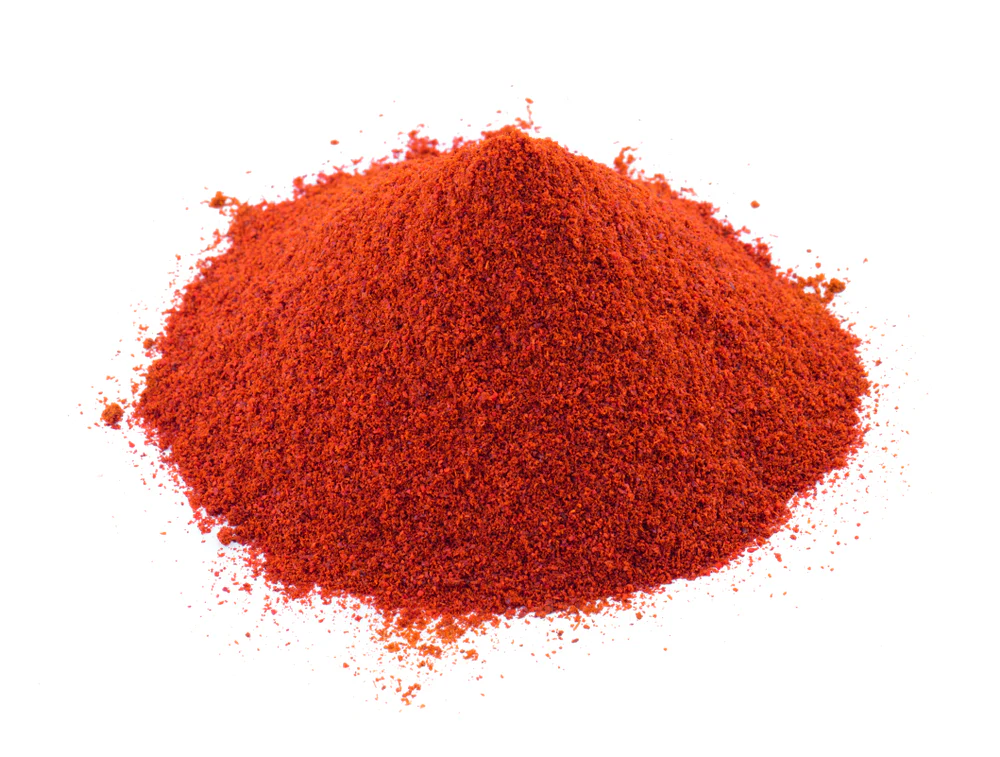
To understand why chili powder is non-negotiable, one must look beyond basic heat metrics. In food chemistry, capsaicin—the chemical compound responsible for the pungent sensation of heat—acts as a natural flavor enhancer. When balanced correctly, capsaicin heightens the sensitivity of your taste buds, allowing secondary notes of garlic, ginger, citrus, and salt to register more vividly on the palate.
Furthermore, chili powder provides three essential pillars to gourmet cookery:
- Visual Emulsification: Authentic stews, bhunas, and curries rely heavily on a aesthetic technique known as the separation of spiced oil (shurva or tarkari oil). A high-grade chili powder bleeds its natural carotenoid pigments into these cooking fats, staining the top layer of a dish with a rich, glossy, brick-red finish that primes the visual appetite.
- Aromatic Underpinnings: True ground chili does not just smell hot; it carries undertones of sun-dried earth, wood smoke, and fruity sweetness. Without it, meat marinades lack a counter-acid balance, and vegetarian braises feel flat and hollow.
- Textural Integrity: When building complex spice pastes (masalas), ground chili interacts with onions and water to act as a mild thickening agent. It binds disparate ingredients together, preventing your gravies from breaking into watery layers on the plate.
2. The Global Taxonomy of Chili Powder:
Knowing Your Varieties
A fundamental mistake made by novice cooks is treating all red powders as identical elements. Using the wrong variant can decimate the balance of a recipe. True culinary mastery requires an intimate knowledge of regional chili profiles:
The Local Powerhouse: Deshi Morich Powder
Sourced natively across districts like Bogura and Chandpur in Bangladesh, this variant emphasizes high-intensity Scoville heat accompanied by a sharp, punchy aroma. It is the defining spine of traditional fish curries (Maachher Jhol), beef bhuna, and spicy lentil preparations.
The Visual Masterpiece: Kashmiri Mirch
Cultivated in cooler alpine regions, Kashmiri chili is uniquely dried to preserve an immense load of red carotenoid pigments while minimizing capsaicin. It registers as exceptionally mild on the tongue but yields a mesmerizing, vibrant neon-crimson color. It is indispensable for Butter Chicken, Rogan Josh, and modern fusion barbecues.
The Smoky Dimension: Ancho and Chipotle Powders
Hailing from Central American traditions, these varieties rely on smoke-drying poblano and jalapeño peppers respectively. They bring an intense, campfire-like woodiness and subtle leathery sweetness to complex barbecue rubs, chili con carne, and Mexican-inspired mole sauces.
3. The Digital Marketplace: Buying Pure Chili Powder in 30 Days
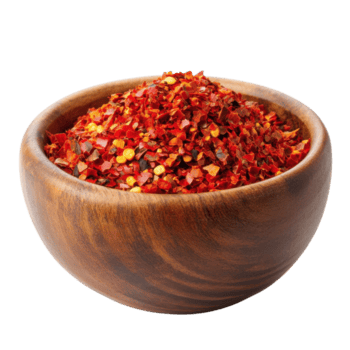
Securing clean, reliable spices no longer requires navigating unhygienic bulk spice mills where cross-contamination is common. Within a 30-day window, you can systematically test, select, and procure premium options using digital distribution networks in Bangladesh.
Sourcing From Leading Digital Platforms
For rapid local fulfillment, dependable courier tracking, and access to verifiable consumer reviews, utilize established platforms:
- The Household Daily Hub: Platforms like Chaldal Spices are ideal for grabbing dependable commercial staples like Radhuni Chili Powder instantly, often dropping deliveries to your doorstep within a matter of hours.
- The Diverse Mega-Market: E-commerce spaces like Daraz BD Chili Powder Hub provide access to imported varieties (such as authentic MDH Kashmiri Mirch) and bulk combo packs that protect your kitchen budget over a 30-day billing cycle.
- The Niche Organic Movement: Dedicated platforms like Ghorer Bazar Spices cater directly to health-conscious foodies looking for single-origin, chemical-free, rustic milling styles that retain natural volatile oils.
4. The Critical Danger: Identifying and
Defeating Adulteration
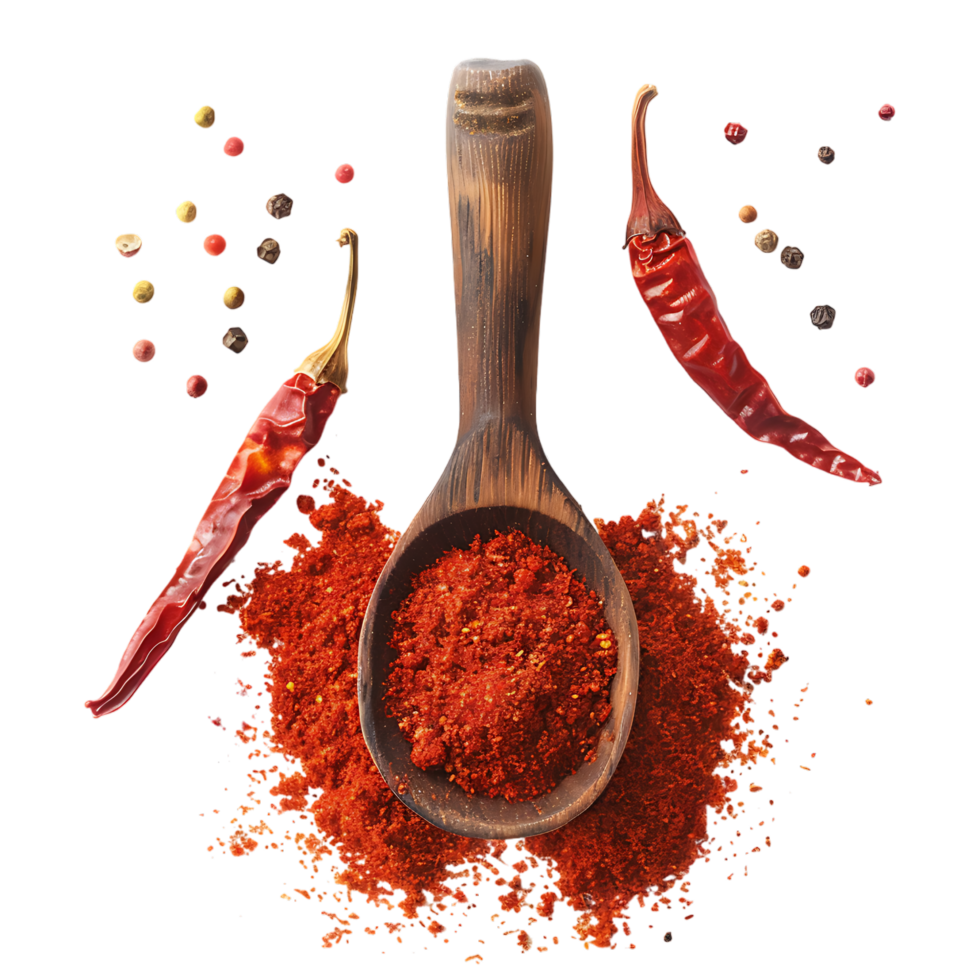
The modern spice market faces a significant challenge: adulteration. Because raw chilis are valued by weight and color intensity, unscrupulous suppliers frequently mix pure powder with toxic alternatives to stretch profit margins. Common adulterants include finely ground brick dust, industrial sawdust, starch fillers, and highly carcinogenic synthetic non-food dyes like Sudan Red.
To protect your family’s health and ensure your dishes retain true culinary value, implement these verified, science-backed purity tests within your 30-day pantry overhaul:
The Definitive Glass Water Test
This is the quickest, most reliable method endorsed by international food safety organizations like the FSSAI:
- Take a clean, transparent glass tumbler and fill it to the three-quarter mark with plain water.
- Gently sprinkle exactly one teaspoon of your purchased chili powder across the surface of the water. Do not stir.
- Observe the reaction: Pure, oil-retaining chili powder will naturally float on top for several moments before gradually, slowly settling down to the bottom. The water will remain clear.
- The Red Flags: If you notice immediate, heavy streaks of bright crimson or neon-orange bleeding downwards as the powder falls, artificial water-soluble dyes are present. If a heavy, gritty residue collects at the very bottom instantaneously while leaving a muddy cloud, your spice contains brick dust or sand.
PURE CHILI POWDER TEST:
[Sprinkle Powder] ──► Floats initially ──► Slowly settles ──► Water stays clear

ADULTERATED CHILI POWDER TEST:
[Sprinkle Powder] ──► Sinks rapidly   ──► Heavy residue  ──► Immediate red color streaks
The Palm Rub Test
- Place a pinch of chili powder directly onto the center of your palm.
- Press your thumb against the powder and rub it firmly back and forth for 10 to 15 seconds.
- The Evaluation: Pure chili powder contains natural essential fats that leave a dry, smooth texture and a very light, easily washable natural tint. If your skin feels rough, chalky, or is left stained with an intense, stubborn bright-purple or blood-red dye that resists simple wiping, it contains synthetic additives.
5. The Chemical Laws of Cooking: How to “Bloom” Chili Powder
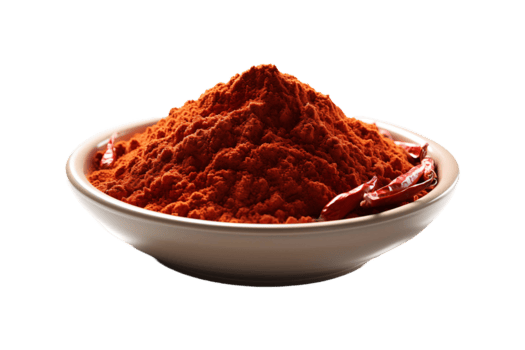
Throwing raw chili powder directly into a simmering pot of water or tomato sauce is one of the most common errors in home kitchens. This creates a harsh, acrid taste that irritates the throat and produces a cloudy, unappealing presentation. True mastery requires understanding the concept of spice blooming.
Step 1: The Fat Matrix
Capsaicin and the primary flavor compounds found in chilis are completely fat-soluble, meaning they cannot dissolve or release their full range of flavors in water alone. To unlock their potential, you must introduce them directly into a hot lipid environment, such as pure ghee, mustard oil, or clarified butter.
Step 2: Controlling the Heat Window
Spices burn within seconds when exposed to temperatures exceeding 160°C (320°F), turning bitter and dark.
- Always reduce your stovetop flame to low before adding chili powder.
- Ensure there is a moisture buffer present—such as softened onions, minced garlic, or a splash of water mixed into a paste with the spice—to keep the oil temperature stable.
Step 3: The Secret Water Paste Emulsion
To achieve flawless results, professional chefs often mix their chili powder, turmeric, and cumin with two tablespoons of room-temperature water in a small bowl before cooking. This creates a thick paste. When this paste hits the hot pan oil, the water cooks off evenly, preventing the delicate dried spice particles from scorching while allowing the fat to smoothly bind with the capsaicin.
6. Comprehensive Nutritional and Therapeutic Profile
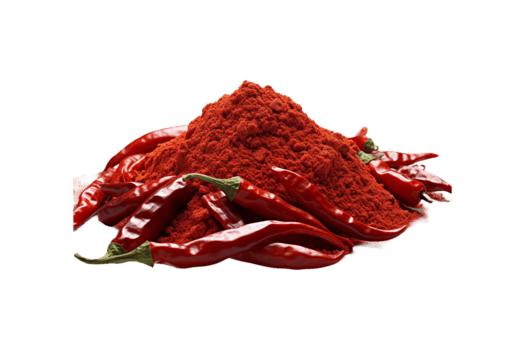
Beyond its essential role in the kitchen, pure chili powder serves as a functional food that offers several science-backed health benefits:
| Health Parameter | Biological Action | Long-Term Wellness Benefit |
|---|---|---|
| Metabolic Acceleration | Capsaicin triggers mild thermogenesis, gently raising core body temperature. | Supports natural calorie burning and weight management strategies. |
| Gastrointestinal Defence | Stimulates the stomach lining to secrete protective juices and enzymes. | Aids digestion, reduces bloating, and helps prevent acid overproduction. |
| Cardiovascular Health | Acts as a natural vasodilator, improving blood circulation across vessels. | Assists in preventing the oxidation of bad LDL cholesterol. |
| Immune System Support | Delivers concentrated doses of Vitamin A, Vitamin C, and carotenoids. | Neutralizes free radicals and reinforces daily immune defenses. |
7. Your Step-by-Step 30-Day Master Kitchen Roadmap
To turn this guide into actionable success, use this structured four-week plan to audit your kitchen, secure your pure spice stock, and elevate your cooking technique:
Week 1: The Pantry Audit and Digital Selection
- Action Item: Inspect your current red chili powder supply. Run the Glass Water Test detailed above. If it fails, discard it immediately.
- Procurement: Log onto digital platforms like Daraz Bangladesh or Chaldal. Order two distinct variants: a high-heat option for traditional curries (like Radhuni) and a low-heat, high-color option (like Kashmiri Mirch).
Week 2: Storage Infrastructure and Environmental Control
- Action Item: Dried ground spices degrade rapidly when exposed to direct sunlight, high humidity, and ambient heat.
- Execution: Purchase dark, airtight glass jars or opaque ceramic spice containers. Transfer your new pure chili powder into these vessels. Store them in a cool, dark cupboard far away from the steam of your stove to protect their volatile oils from breaking down.
Week 3: Mastering the Art of Tempering (Tarka)
- Action Item: Practice the technique of blooming spices in hot fat.
- Execution: Prepare a simple everyday dish, such as yellow lentils (Dal). In a separate small pan, heat one tablespoon of ghee. Add cumin seeds until they crackle, drop the heat to low, add half a teaspoon of pure chili powder, let it foam for exactly three seconds, and pour it over the lentils. Notice the incredible difference in aroma and presentation.
Week 4: Achieving Advanced Balance
- Action Item: Experiment with combining different varieties of chili powder to find your perfect flavor profile.
- Execution: When preparing a classic meat dish like beef or chicken curry, use a precise 50:50 ratio. Combine half a teaspoon of high-heat local chili powder with half a teaspoon of bright Kashmiri chili powder. This balances fiery, throat-warming heat with an exceptional, deep restaurant-style red color, completing your journey to culinary mastery.
Leave a Reply