What you’re context at
traditional Bangladeshi meal is rich in flavor, culture, and variety. It reflects the country’s history, geography, and agricultural abundance. The staple food of Bangladesh is rice, which is usually served with different side dishes.
A typical meal includes steamed rice, lentil soup (dal), and a variety of vegetable dishes. Fish is the most popular source of protein, especially freshwater fish like hilsa, rui, and katla. Meat such as chicken or beef is also commonly enjoyed, especially during special occasions. Spices like turmeric, cumin, coriander, and chili are used to create delicious and aromatic flavors.
Traditional meals often include bhorta (mashed items like potatoes, eggplant, or fish mixed with mustard oil and spices), pickles, and green chilies. Salad made of cucumber, onion, and tomato adds freshness to the plate.
Desserts are also an important part of Bangladeshi cuisine. Popular sweets include roshogolla, sandesh, and payesh, which is a rice pudding made with milk and sugar.
Eating together with family is an important cultural tradition in Bangladesh. Overall, a traditional Bangladeshi meal is not only about food but also about sharing, hospitality, and cultural identity.
This image shows a classic Bangladeshi meal, typically served in homes or local eateries. According to the source, it includes:
- Steamed rice (ভাত) – the staple of almost every meal
- Fried fish (ভাজা মাছ) – very common, especially with local river fish
- Omelet (ডিম ভাজি/অমলেট) – simple protein side
- Vegetable curry (সবজি) – often seasonal
- Served in a traditional clay dish, adding a rustic feel
Traditinal context
This kind of meal represents everyday Bangladeshi cuisine—not fancy restaurant food, but the kind of balanced, home-style plate eaten across the country. It’s built around rice, with small portions of fish, vegetables, and eggs for flavor and nutrition.
Why it matters
- Reflects the country’s agricultural roots (rice + fish culture)
- Shows simple but diverse flavors—spicy, savory, and fresh
- Emphasizes home cooking and sharing food, which is central to Bangladeshi culture
If you want, I can break down each dish in more detail or suggest similar meals you can try locally.
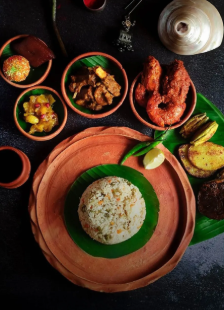
Bangladeshi food is rich, diverse, and deeply connected to the country’s culture and geography. At the heart of almost every meal is rice (ভাত), served with a variety of flavorful side dishes. Fish plays a central role in the cuisine, reflecting Bangladesh’s many rivers. A popular dish is Hilsa fish curry, known for its rich taste and cultural importance.
Vegetables, lentils, and spices are also essential. Dishes like dal (lentil soup) and mixed vegetable curries provide balance and nutrition. Mustard oil, turmeric, chili, and cumin are commonly used, giving Bangladeshi food its distinctive aroma and flavor. Street foods are equally loved, with items like Fuchka and Chotpoti being popular among people of all ages.
Sweets hold a special place in Bangladeshi cuisine. Desserts such as Rasgulla and Mishti Doi are often enjoyed during festivals and celebrations.
Overall, Bangladeshi food is a perfect blend of taste, tradition, and simplicity. It reflects the lifestyle, history, and hospitality of the people, making it not just a way of eating, but a meaningful cultural experience.
Importance of Vegetables in Daily Life
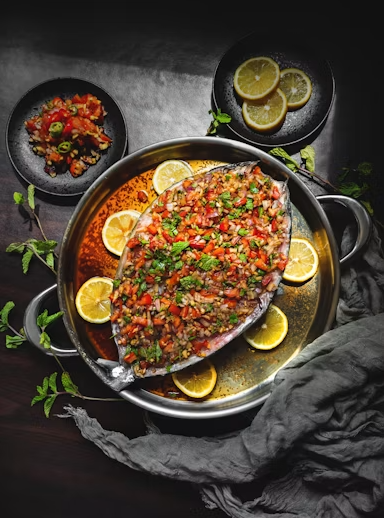
Vegetables are a vital part of a balanced and nutritious diet. They are rich in essential vitamins, minerals, fiber, and antioxidants that help the body function properly. Common vegetables like carrots, spinach, cabbage, tomatoes, and beans provide nutrients such as vitamin A, vitamin C, iron, and potassium, which are necessary for maintaining good health.
Eating vegetables regularly supports digestion and helps prevent many diseases, including heart problems, diabetes, and certain types of cancer. The fiber in vegetables improves gut health and prevents constipation. Green leafy vegetables are especially beneficial for strengthening the immune system, improving eyesight, and keeping skin healthy.
Vegetables are naturally
low in calories and fat, making them an excellent choice for people who want to maintain or lose weight. They can be eaten in many ways, such as raw in salads, cooked in meals, or blended into soups and juices.
Including a variety of colorful vegetables in your daily meals ensures that your body receives a wide range of nutrients. Therefore, vegetables play an important role in promoting a healthy, active, and disease-free life.A classic Bengali dish featuring rice, fish, and spices, elegantly plated on a red dish, is a perfect representation of Bangladeshi culture and tradition. This simple yet meaningful meal reflects the everyday lifestyle of the people, where food is not just for nourishment but also a symbol of comfort and togetherness. The bright red plate adds a touch of beauty and warmth, making the meal visually appealing as well as delicious.
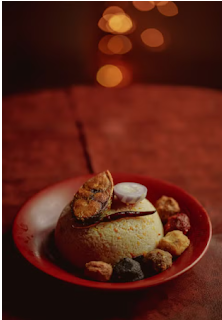
Traditional Bengali Meal: A Taste of Culture and Togetherness
- A traditional Bengali meal that reflects Bangladeshi culture and daily life
- Beautifully served on a red plate, adding warmth and visual appeal
- Steamed white rice (ভাত) as the main staple and base of the meal
- Fish as a key protein, especially Hilsa fish curry
- Fish cooked with mustard oil, turmeric, and green chilies for rich flavor
- Use of common spices like cumin, coriander, garlic, and onions
- Balanced combination of mild rice and spicy curry
- Often served with dal (lentil soup) for added nutrition
- Includes seasonal vegetables cooked with light spices
- Represents a healthy and complete meal
- Popular street foods like Fuchka and Chotpoti add variety
- Traditional sweets such as Rasgulla and Mishti Doi for dessert
Food is often shared with family, showing togetherness
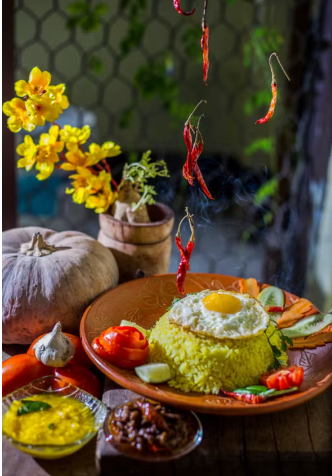
Khichuri with Alu Bhorta: A Complete Signififance Comfort Food of Bangladesh
Khichuri with alu bhorta is one of the most iconic and comforting traditional meals in Bangladeshi cuisine. It is simple, flavorful, and deeply connected to the everyday life of people in Bangladesh. This dish is especially popular during rainy days, family gatherings, religious occasions, and times when people want warm, homemade food. It represents comfort, tradition, and togetherness in every bite.
At the center of this meal is Khichuri, a soft and aromatic dish made by cooking rice and lentils together. The ingredients are simmered slowly with spices such as turmeric, cumin, garlic, onion, and green chilies. Sometimes vegetables like carrots, potatoes, and cauliflower are added to make it more nutritious. The final texture of khichuri is slightly mushy but rich in flavor, making it easy to eat and highly satisfying.
Khichuri is not just food—it is comfort. In many Bangladeshi homes, it is cooked during heavy rain because of its warm and soothing nature. It is also served during religious events, family gatherings, and even as a simple meal for guests. Its soft texture and mild spice level make it suitable for people of all ages, from children to the elderly.
Key Use
- A traditional and highly popular Bangladeshi comfort food
- Main dish: Khichuri made from rice and lentils
- Cooked with spices like turmeric, cumin, garlic, onion, and green chilies
- Soft, warm, and slightly mushy texture
- Often prepared with vegetables for extra nutrition
- Best enjoyed during rainy weather and cold days
- Main side dish: Alu Bhorta
- Alu bhorta made with boiled potatoes, mustard oil, salt, and chilies
- Strong spicy flavor balances the mild khichuri
- Represents simplicity and traditional home cooking
- Popular in both rural and urban households
- Often served during family gatherings and religious occasions
- Can be paired with fried eggs, pickles, or fried fi
- The most important companion of khichuri is Alu Bhorta. This mashed potato dish is made from boiled potatoes mixed with mustard oil, salt, green chilies, and sometimes onions or coriander leaves. Alu bhorta has a strong, spicy, and slightly pungent flavor due to the mustard oil, which perfectly balances the mildness of khichuri. Together, they create a perfect combination of soft and spicy textures.This combination is deeply rooted in Bangladeshi rural and urban food culture. It reflects the idea that simple ingredients can create extraordinary taste when prepared with care. Families often prepare this meal together, strengthening bonds and sharing happiness around the dining table.Khichuri with alu bhorta is also budget-friendly and nutritious. Lentils provide protein, rice gives energy, and potatoes add carbohydrates and flavor. This makes it a complete meal that is both filling and healthy. It is especially useful in times when people want a quick yet satisfying homemade dish.Over time, khichuri has become a symbol of Bangladeshi hospitality. Guests are often served khichuri with various side dishes like fried eggs, pickles, fried fish, or vegetables. These additions make the meal more diverse and enjoyable, but the core combination of khichuri and alu bhorta remains the heart of the experience.Cardamom tea, ginger tea
Leave a Reply